Home Our Services Trauma Recovery & PTSD Support

Our Services

Trauma Recovery & PTSD Support in Rawalpindi & Online

Calm, paced trauma therapy, in person in Rawalpindi or online, if you are struggling after a frightening or distressing experience. You decide what you share and when.
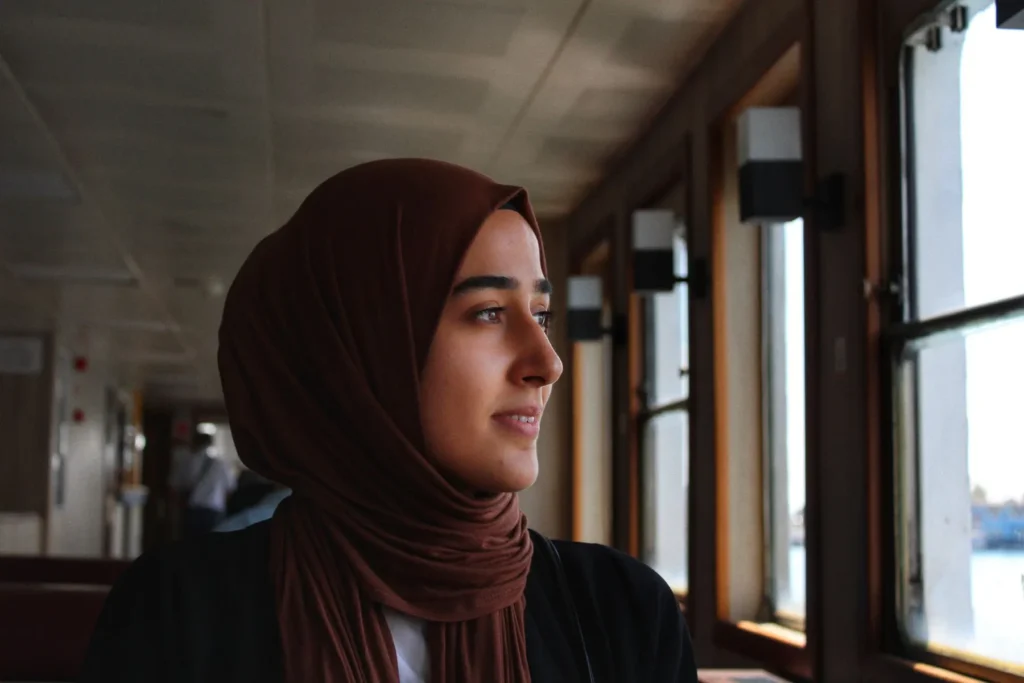
A woman in a hijab looking out of a window, calm and thoughtful

What it is

Understanding trauma

Trauma is the emotional impact of a frightening, distressing or overwhelming event, such as an accident, violence, abuse, a sudden loss or a disaster. Strong reactions afterwards are common.
For some people the reactions continue for a long time and affect daily life. This is sometimes called post-traumatic stress disorder (PTSD), and it can involve reliving the event, avoiding reminders and feeling constantly on edge.
Please note: The approach is agreed with you after an initial assessment. When a medical assessment or medication management is needed, you may be referred to a doctor or psychiatrist.
Written by Javeria Israr, Clinical Psychologist (MS Clinical Psychology). Last updated November 2026.

Signs this may help

These are common experiences, not a diagnosis. Everyone’s situation is different.
If you are in immediate danger or feel you may harm yourself, call Rescue 1122 or go to the nearest hospital emergency department.
How we work on it

How trauma therapy helps

Support after trauma starts with feeling safer and more in control, and moves at a pace agreed with you.

Feeling safer

We start by understanding your current situation and finding ways to manage distress in the moment.

Making sense of your reactions

We look at how trauma can affect the mind and body, so your reactions start to make sense.

Moving forward, step by step

Together we set small, realistic goals to help you return to the parts of life that matter to you.
Sessions last 50 minutes. The last few minutes are for a short summary and agreeing what to practise before the next session.

Who it's for

For clients aged 14–17, appointments must be arranged by a parent or legal guardian.

Fees and sessions

FAQ

Common questions

Have another question? Send a short enquiry.
What happens in trauma therapy?
After an initial assessment, we start with feeling safer and more in control, make sense of your reactions and set small goals, at a pace agreed with you.
Not before you are ready. You decide what you share and when, and sessions move at a pace that feels manageable.
Yes. The effects of a distressing experience can last for years, and it is never too late to reach out.
Yes. Nothing is shared without your written consent, except where there is a risk of harm to you or someone else, or where the law requires it.
Yes, on Google Meet from anywhere in Pakistan, in English, Urdu or Pashto. Read how online therapy works.

Book a session

Take the first step, in your own time.

There is no need to have everything worked out. Send a short enquiry and we will find a time that suits you.